Zymurgy Brewing
Web Design + User Research
-
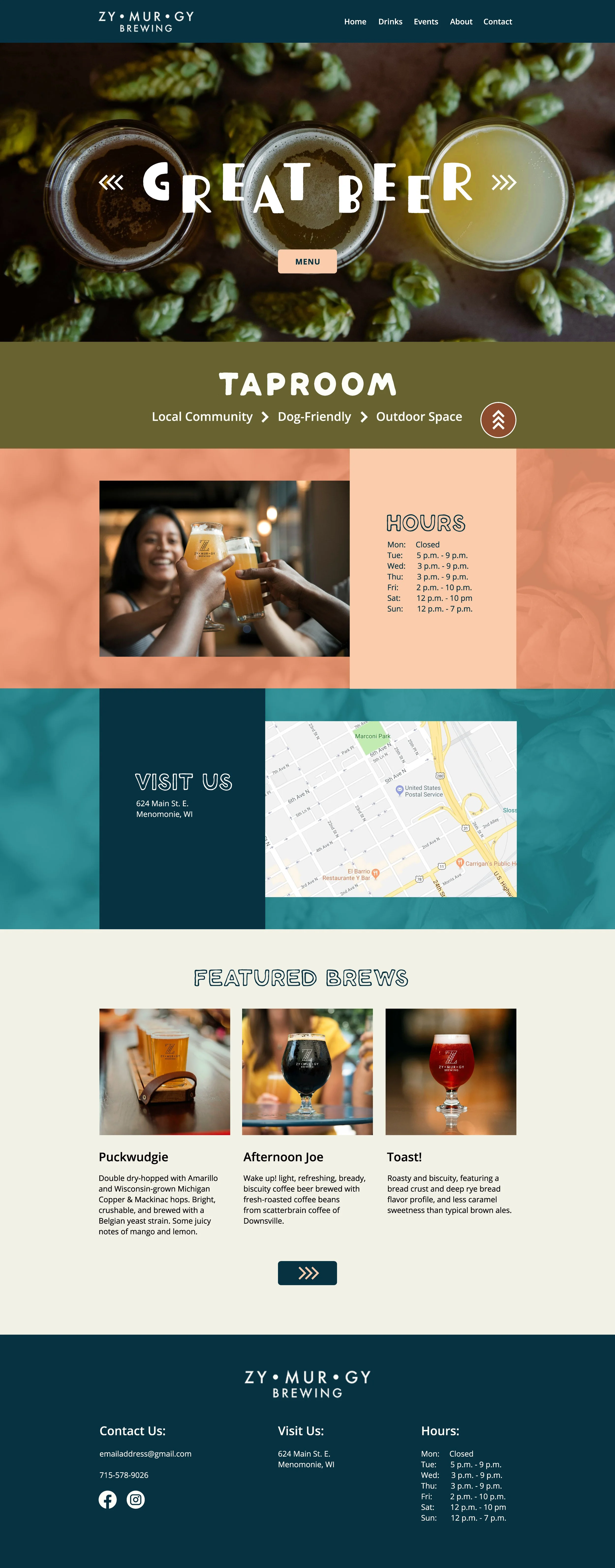
As part of my graduate school studies, I undertook a project to enhance the user experience of Zymurgy Brewing Co.'s website, a local brewery in Menomonie renowned for its craft beers and community events. The objective was to better cater to the brewery's diverse audience and support its growth in the competitive craft beer market. In my role as the designer for the project, I collaborated closely with the Zymurgy team to identify key challenges, conduct thorough research to understand user needs, and design solutions aimed at improving the website's usability and functionality.
-
Challenge: Zymurgy Brewing Co. faced several challenges with its existing website, including outdated design elements, a lack of user-friendly features, and difficulties in accessing important information such as event details and beer offerings. Additionally, the website did not fully reflect the brewery's brand identity and values, leading to a disconnect with its target audience.
Objective: The primary objective of the project was to redesign the Zymurgy Brewing Co. website to create a more engaging and user-friendly experience for visitors. Specific goals included improving navigation, enhancing event visibility, streamlining the beer menu, and integrating branding elements to better reflect the brewery's personality and values. Additionally, the project aimed to increase user engagement and drive traffic to the brewery's physical location and online platforms.
-
User Research: To gain insights into user needs and preferences, I conducted user interviews with a diverse group of individuals, including craft beer enthusiasts, event-goers, and casual visitors to the brewery. Key findings revealed varying interests in beer selection, event attendance, and preferred methods of interacting with the brewery.
Market Analysis: A comprehensive market analysis was conducted to understand current trends in the craft beer industry, identify competitors, and uncover opportunities for differentiation. This research informed the design strategy and helped prioritize features and functionalities for the website redesign.
Competitor Research: I conducted a thorough analysis of competitor websites to identify best practices, assess strengths and weaknesses, and gather inspiration for the redesign. This research provided valuable insights into industry standards and helped guide the design direction for the project.
Card Sort Activity: Additionally, I conducted a card sort activity with participants to understand how they mentally organize and categorize information related to brewery websites. This activity helped inform the structure and organization of the website's navigation and content.
Site Map: Based on the insights gathered from the card sort activity, I developed a site map outlining the hierarchical structure of the website. The site map served as a visual representation of the website's architecture, guiding the design process and ensuring a logical and intuitive user experience.
-
Low-Fidelity Prototypes: Using the insights gathered from user research and the card sort activity, I created low-fidelity prototypes to explore different design concepts and layouts for the website. These prototypes were simple and rough, focusing on the overall structure and navigation rather than detailed visual elements.
Mid-Fidelity Prototypes: Based on feedback from stakeholders and initial user testing of the low-fidelity prototypes, I iterated on the designs and developed mid-fidelity prototypes. These prototypes included more detailed visual elements and interactive features, providing a clearer representation of the final design direction.
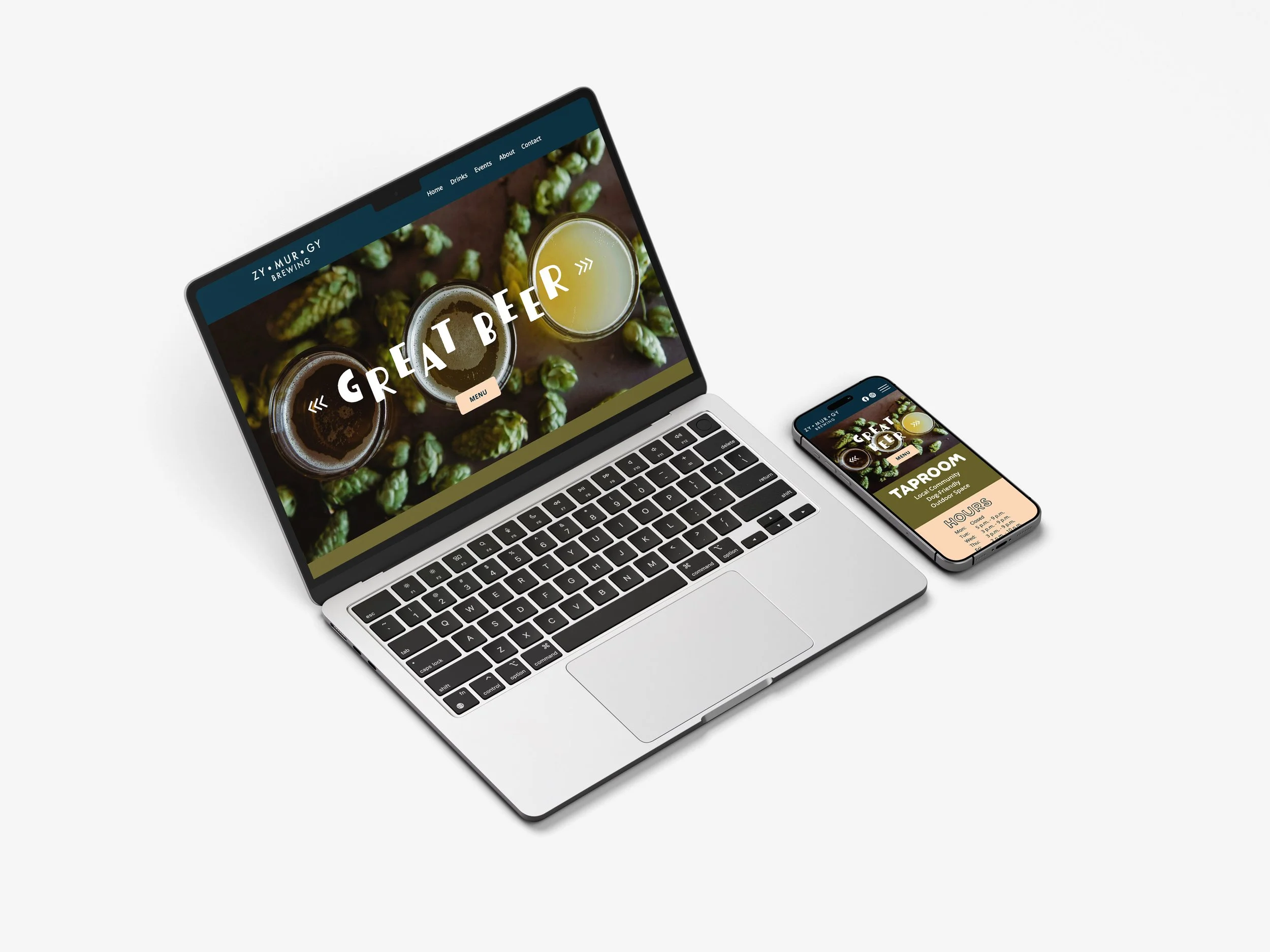
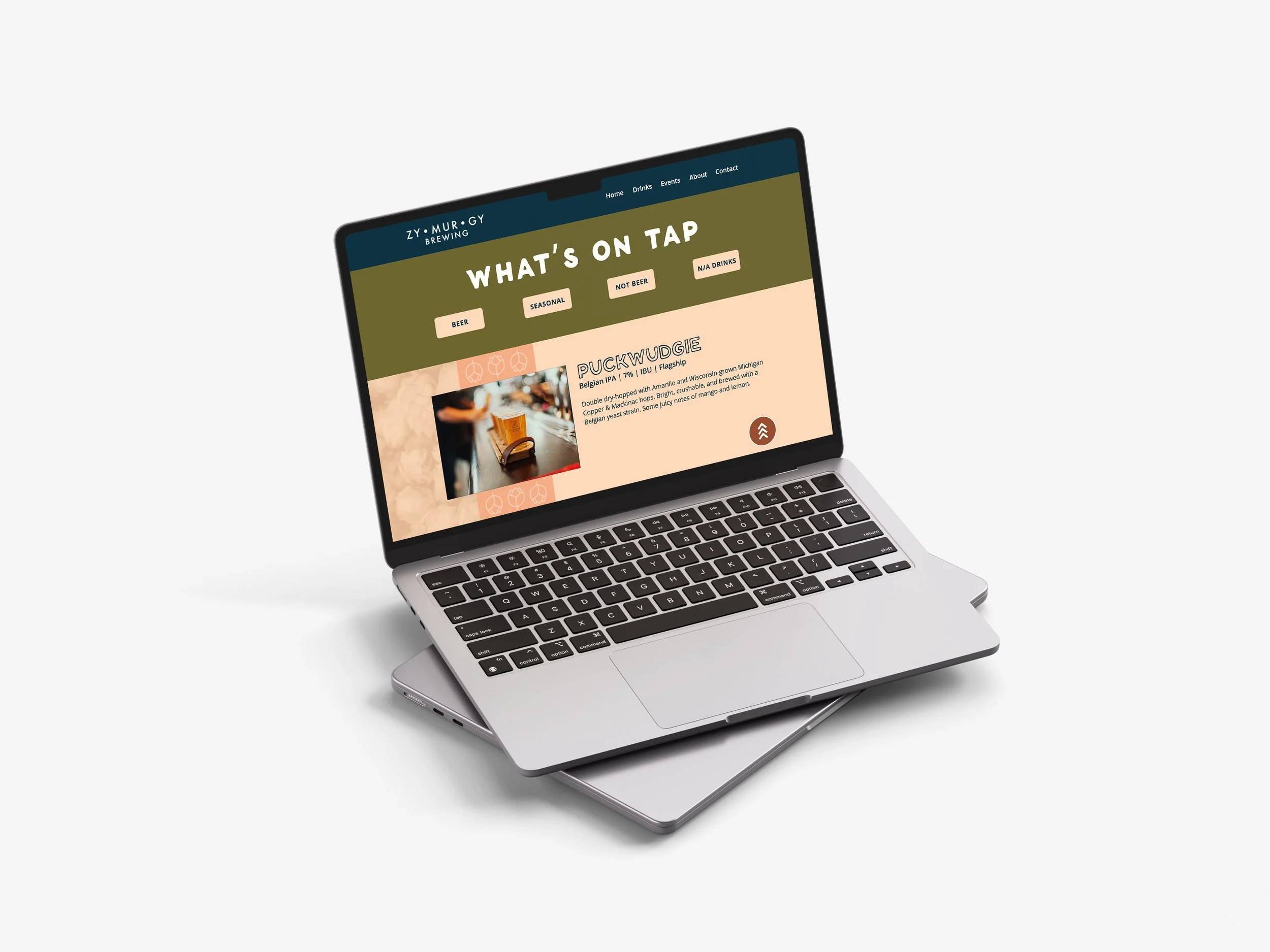
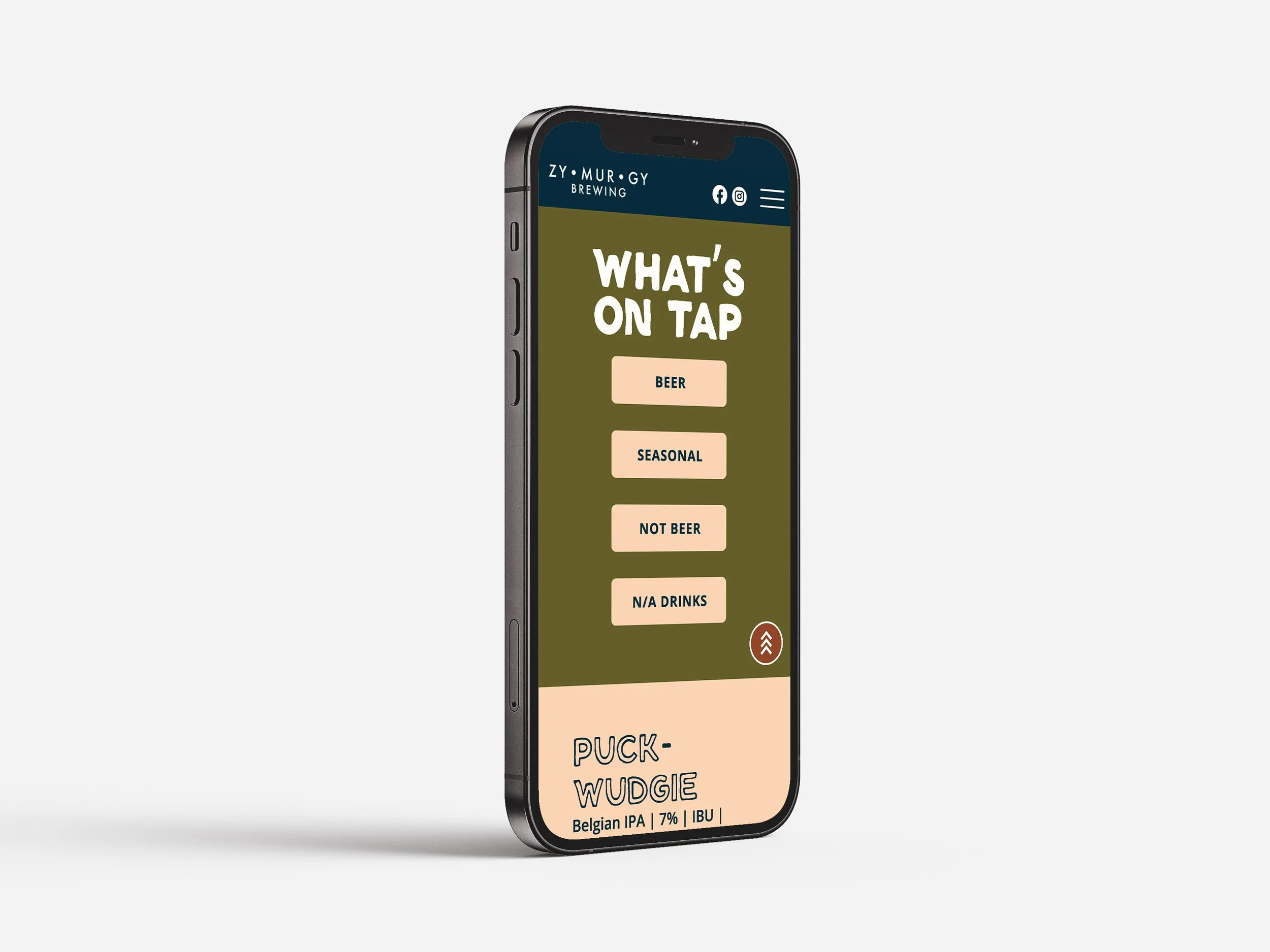
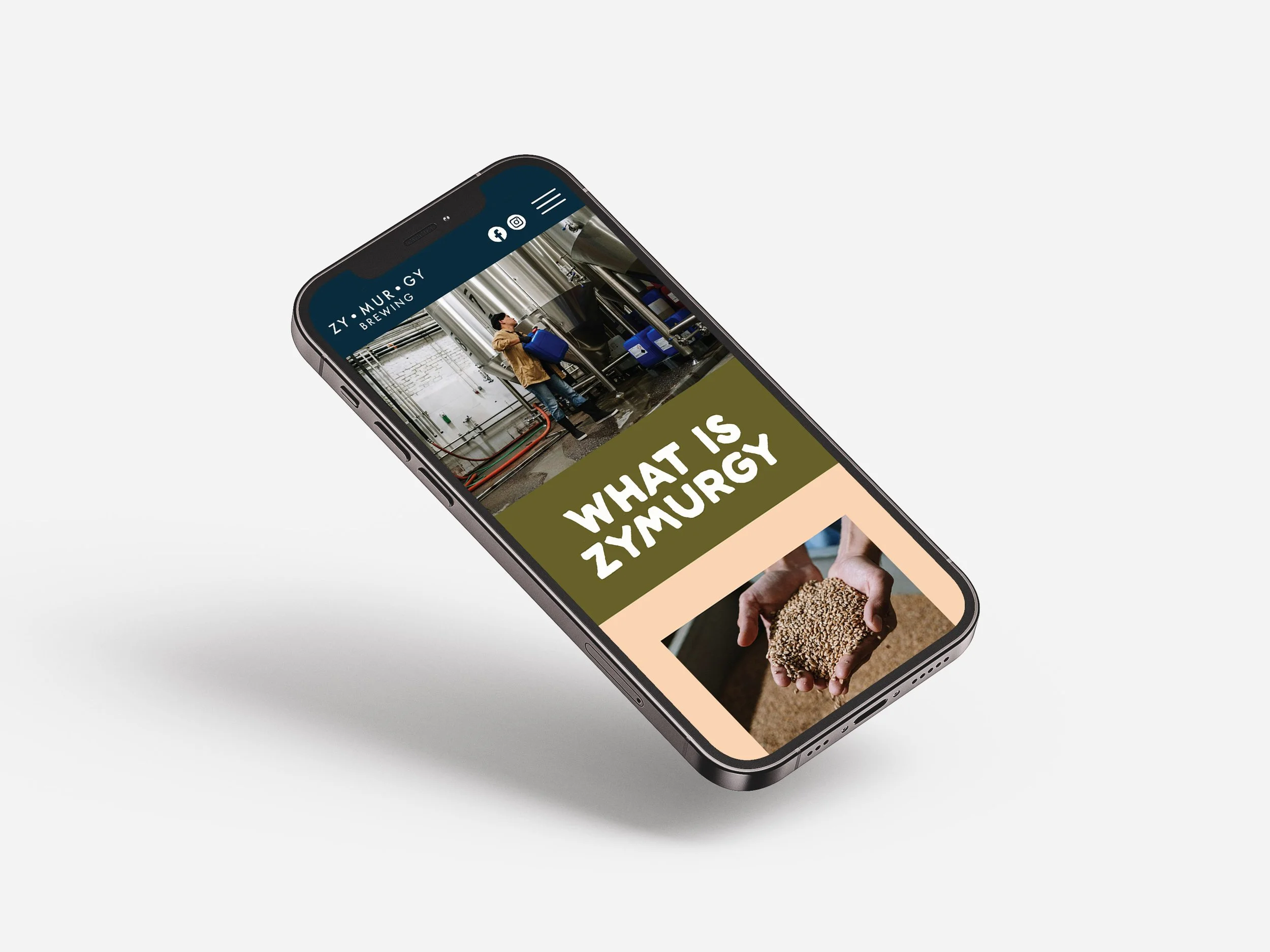
High-Fidelity Prototypes: After further refinement and iteration, I developed high-fidelity prototypes that closely resembled the final design of the website. These prototypes incorporated polished visual elements, interactive components, and accurate content, allowing for comprehensive user testing and feedback.
User Testing: User testing was conducted at each stage of prototyping to gather feedback and validate design decisions. Participants were asked to perform various tasks on the prototypes, such as navigating the website, finding specific information, and completing common actions. Their interactions and feedback were observed and recorded, informing further iterations and refinements to the design.
-
Overall, user feedback on the high-fidelity prototype was positive, with users showing increased engagement and interest in visiting the brewery. The redesigned branding successfully captured the spirit of the brewery, resonating well with users and enhancing their overall experience.
While some users provided constructive criticism regarding color and font choices, adjustments were made to address initial concerns. The updated fonts were perceived as more readable, contributing to a smoother user experience.
In terms of design elements, users appreciated the improved placement of the calendar feature, which enhanced accessibility and convenience. Additionally, the decision to prioritize speed by minimizing images on the mobile version was well-received, aligning with users' preferences for fast-loading websites.
In summary, the user testing phase yielded valuable insights and enhancements to the website design, resulting in a more engaging and user-friendly experience that aligns with the brewery's brand identity and encourages visitor interest and engagement.