Tiny Trends
App Design + User Research
-
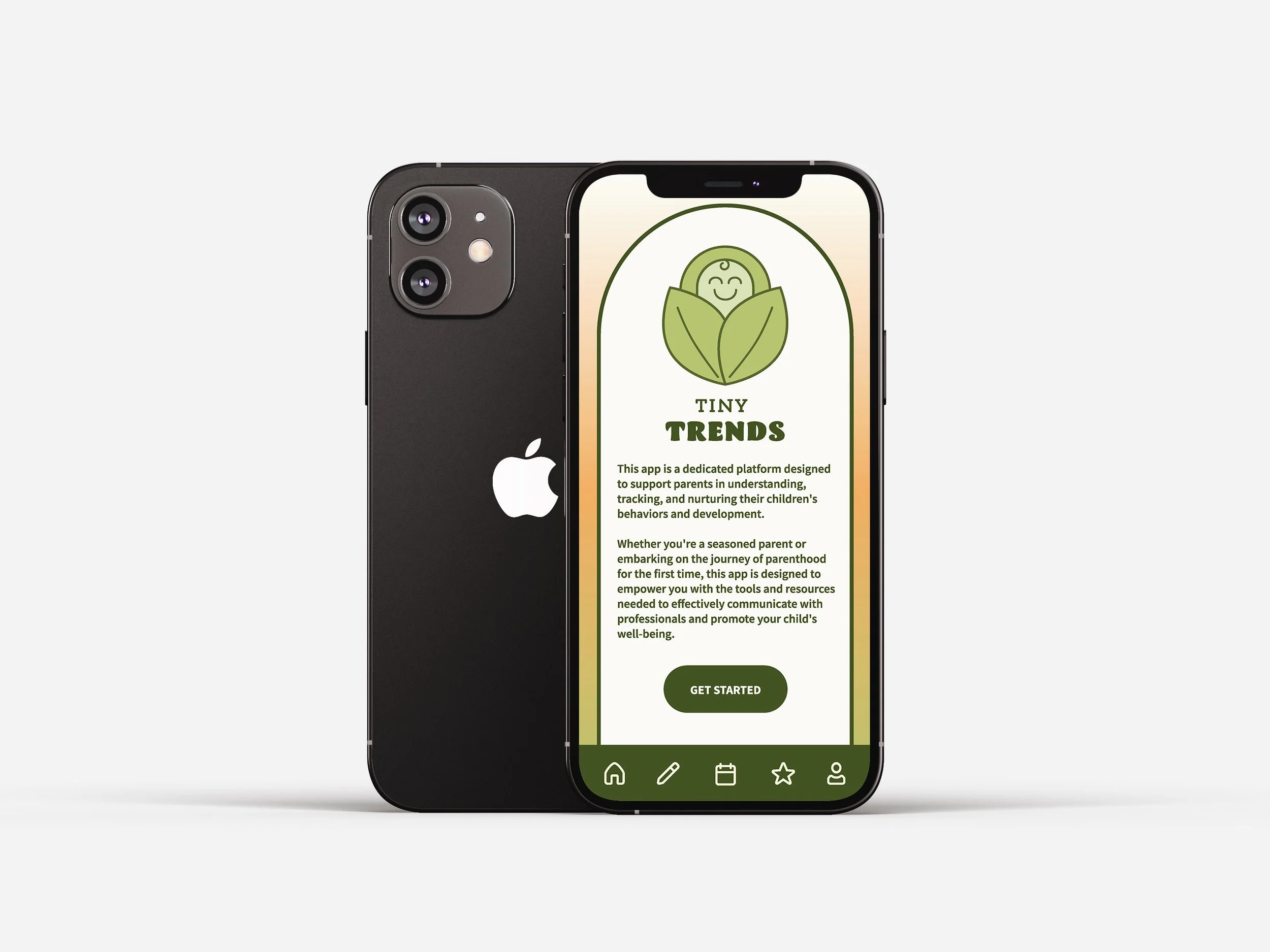
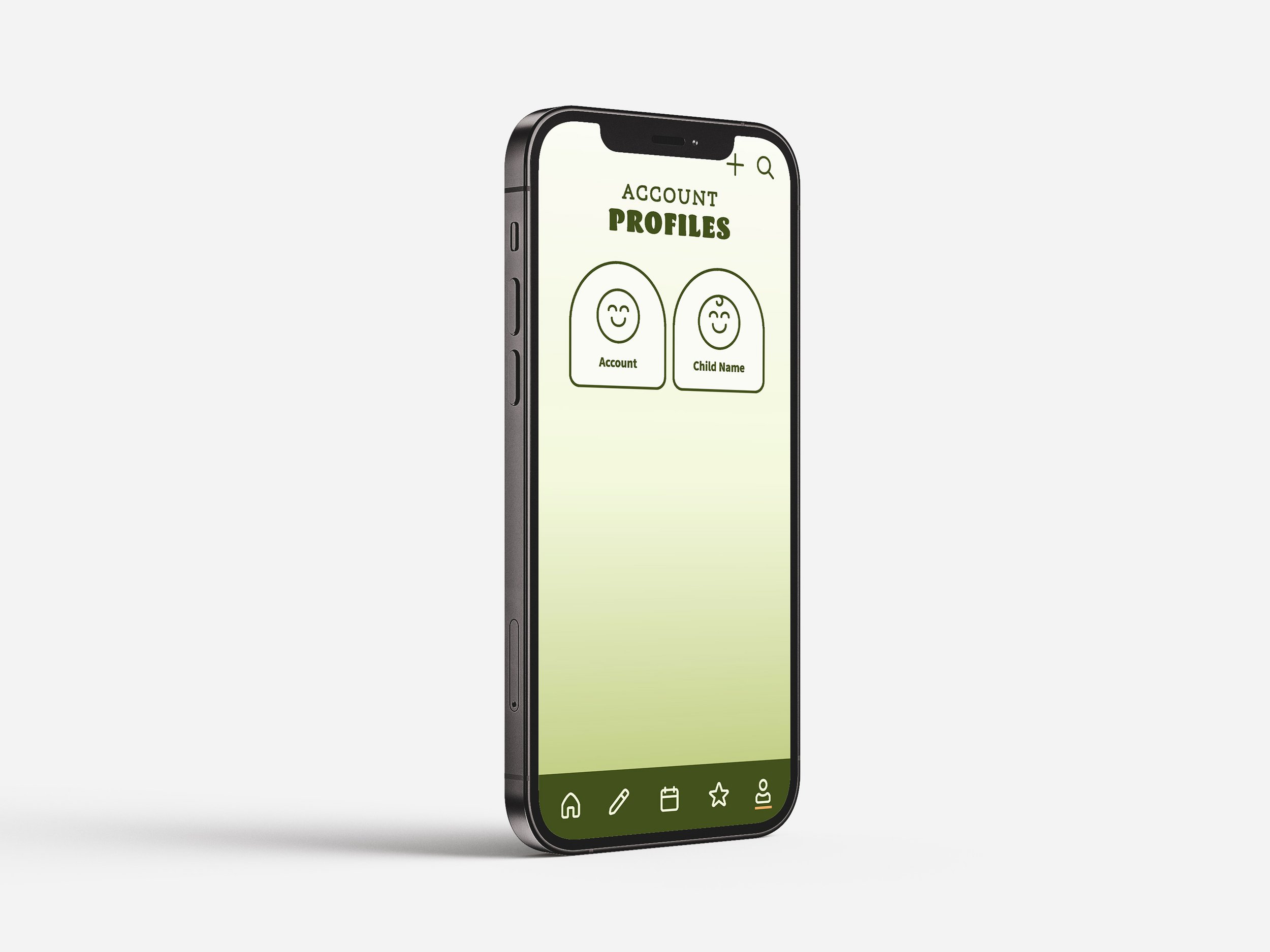
Tiny Trends is a transformative digital app designed for a graduate school project. It aims to empower parents of children aged 0-3 by providing them with the necessary resources and knowledge to recognize and address early signs of mental health issues. The app aims to bridge the gap in early childhood mental health awareness and support, which is often overlooked or misunderstood. With a focus on proactive communication and developmental tracking, Tiny Trends seeks to enhance the holistic well-being of young children during their critical developmental years.
-
Throughout the development of Tiny Trends, several challenges emerged, each met with strategic objectives to ensure the app's efficacy. These challenges included the prevalent lack of awareness surrounding early childhood mental health issues, communication barriers between parents and assisting professionals, and the complexity of terminology related to children's behaviors and mental health conditions.
To address these challenges, Tiny Trends set objectives to raise awareness through informative resources, facilitate clear communication between parents and professionals, and integrate standardized terminology for better understanding. By strategically tackling these challenges, Tiny Trends aims to bridge gaps in early childhood mental health awareness and support, ultimately fostering the holistic well-being of young children and their families.
-
User Research: User research served as the cornerstone for understanding the needs and preferences of parents with children aged 0-3 regarding early childhood mental health. Key insights emerged through insightful interviews with diverse participants, including single mothers, healthcare professionals, and early childhood educators. These findings guided the creation of personas, informed by real-world user experiences and challenges, and facilitated a card sort activity to organize and prioritize essential behaviors for tracking within the app. Additionally, the development of a site map was informed by the outcomes of the card sort activity, ensuring intuitive navigation and user-centric design.
Market Analysis: The exploration of the market revealed a pressing need for accessible resources tailored to parents of young children, particularly in low-income or underserved communities. Through competitive analysis of existing apps and platforms, valuable insights into successful features and potential gaps were gleaned, providing a strategic framework for the development of Tiny Trends. This analysis underscored the significance of standardized terminology and user-friendly functionalities in fostering effective communication and empowering parents to navigate their child's developmental journey with confidence.
Competitor Research: The competitor research illuminated the landscape of existing solutions catering to early childhood mental health and parental support. Through a thorough examination of similar apps and platforms, valuable insights into prevailing trends, successful features, and potential areas for improvement were gained. Key competitors were identified, offering a diverse range of functionalities aimed at empowering parents and promoting children's well-being. By analyzing the strengths and weaknesses of these competitors, as well as identifying opportunities for differentiation, Tiny Trends is poised to carve out its niche in the market, offering a unique value proposition tailored to the needs of parents with young children.
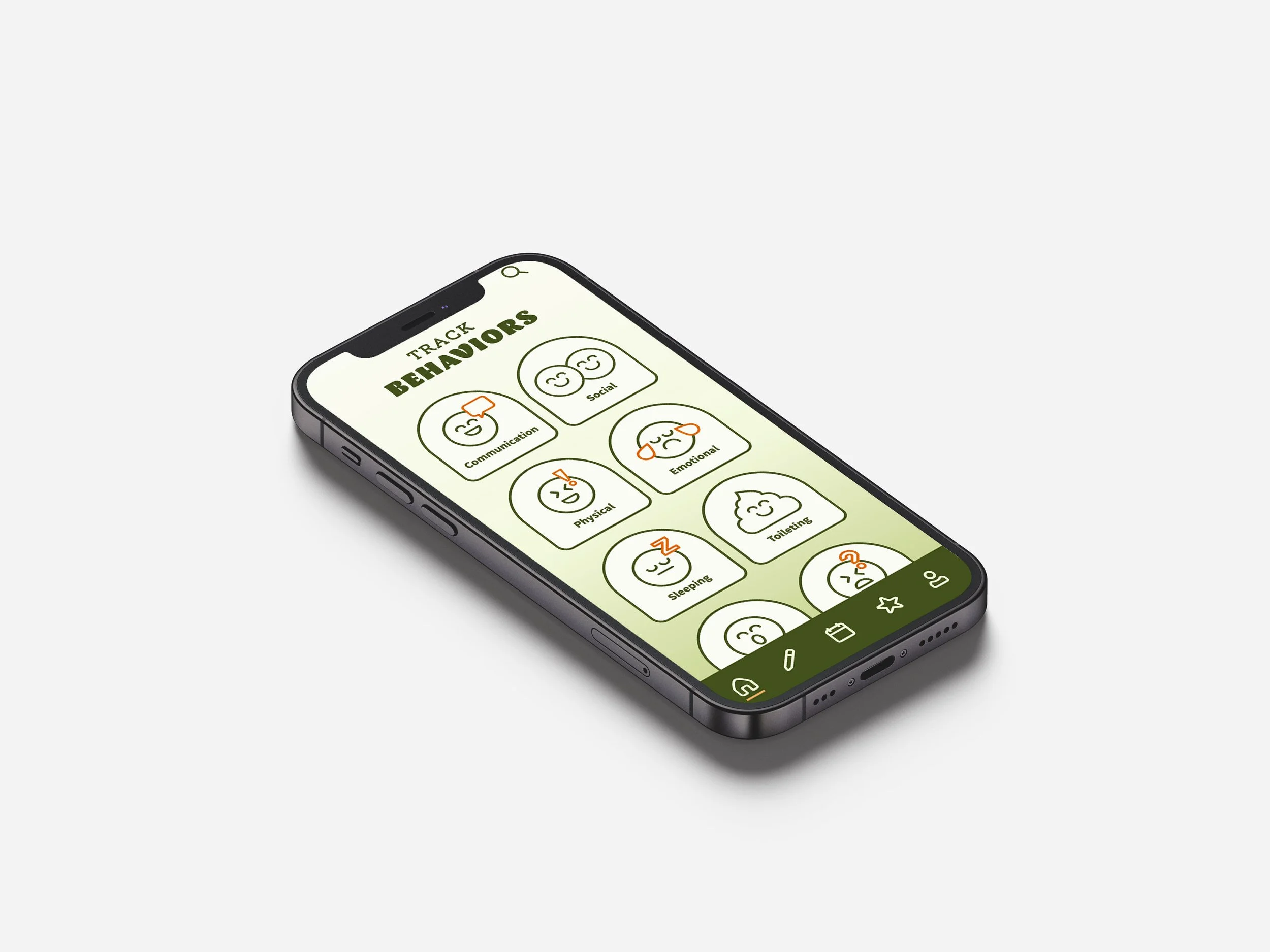
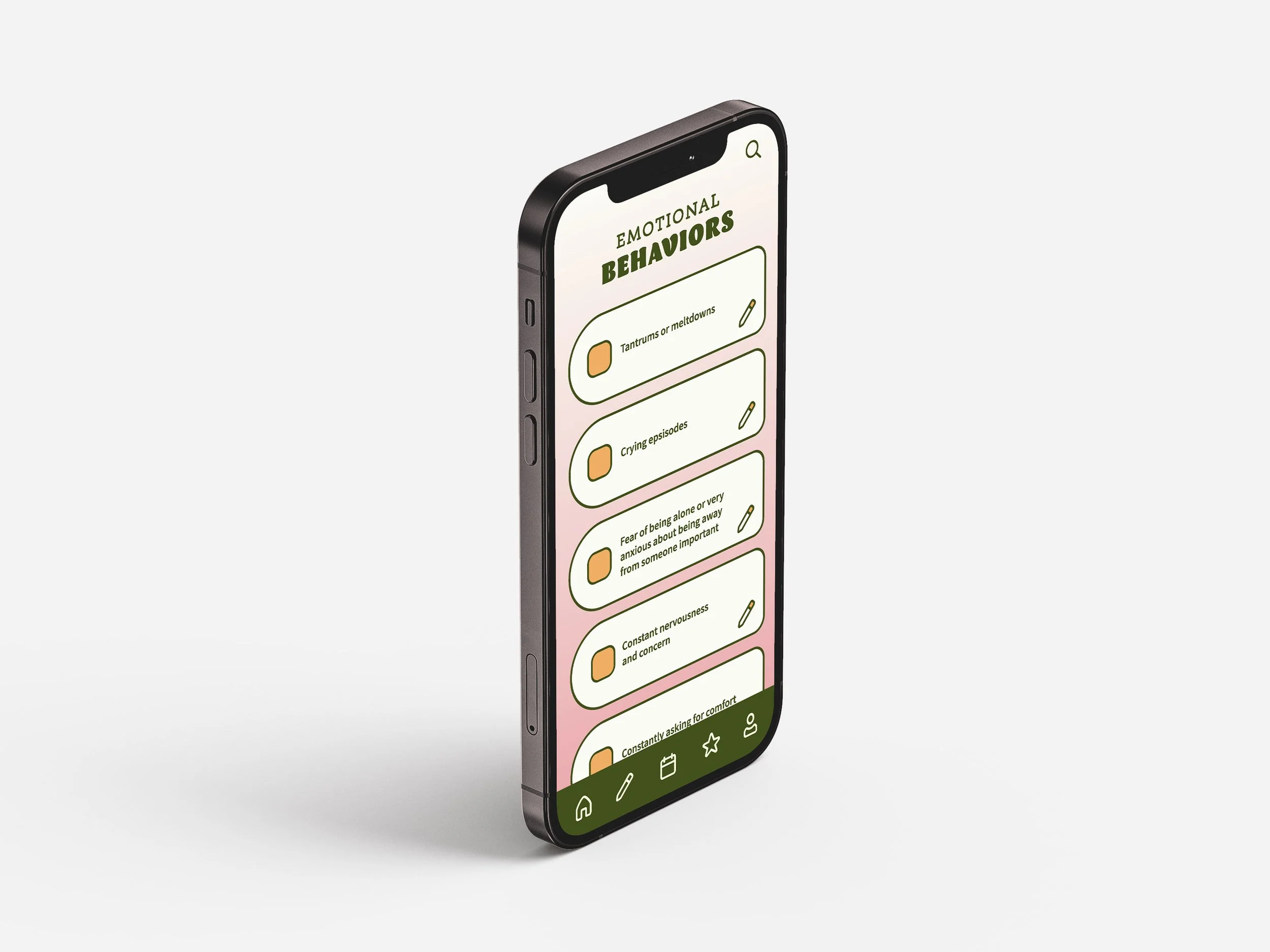
Card Sort Activity: The card sort activity conducted for the Tiny Trends app provided valuable insights into the categorization and prioritization of behaviors and features relevant to early childhood mental health tracking. Participants were tasked with organizing a set of behaviors into logical groupings, offering perspectives on user mental models and preferences. By analyzing the outcomes of the card sort, patterns and trends emerged, guiding the development of the app's information architecture and feature hierarchy. The exercise facilitated a user-centered approach to organizing content, ensuring intuitive navigation and enhanced usability for parents seeking support and guidance in monitoring their child's well-being.
Site Map: The site map f was crafted based on insights derived from the card sort activity, which provided a foundation for organizing and structuring the app's content and features. By mapping out the app's navigation hierarchy, key pathways were identified to streamline user interactions and facilitate intuitive exploration. Through this process, the site map became an essential tool for guiding the development of the app's interface, enabling seamless navigation and efficient access to critical resources for parents navigating early childhood mental health concerns.
-
In the prototyping and user testing phase, both low-fidelity and high-fidelity prototypes were created and evaluated to refine the app's design and functionality. During the low-fidelity prototype phase, users provided feedback on navigation preferences, with some favoring dropdown menus for ease of use.
As the prototypes progressed to high-fidelity, users interacted with refined features and design elements, completing assigned tasks with relative ease. While users encountered minor issues such as confusion with submenu options and locating specific behaviors, the overall feedback was positive. Users appreciated the app's friendly aesthetics, readability, and simplicity, suggesting minor enhancements to improve user experience, such as clarifying menu options and enhancing search functionality.
-
The project aimed to empower parents with resources and knowledge to recognize early signs of mental health issues in children aged 0-3. Through extensive user research, including interviews, card sorting, and prototyping, valuable insights were gathered to inform the app's development.
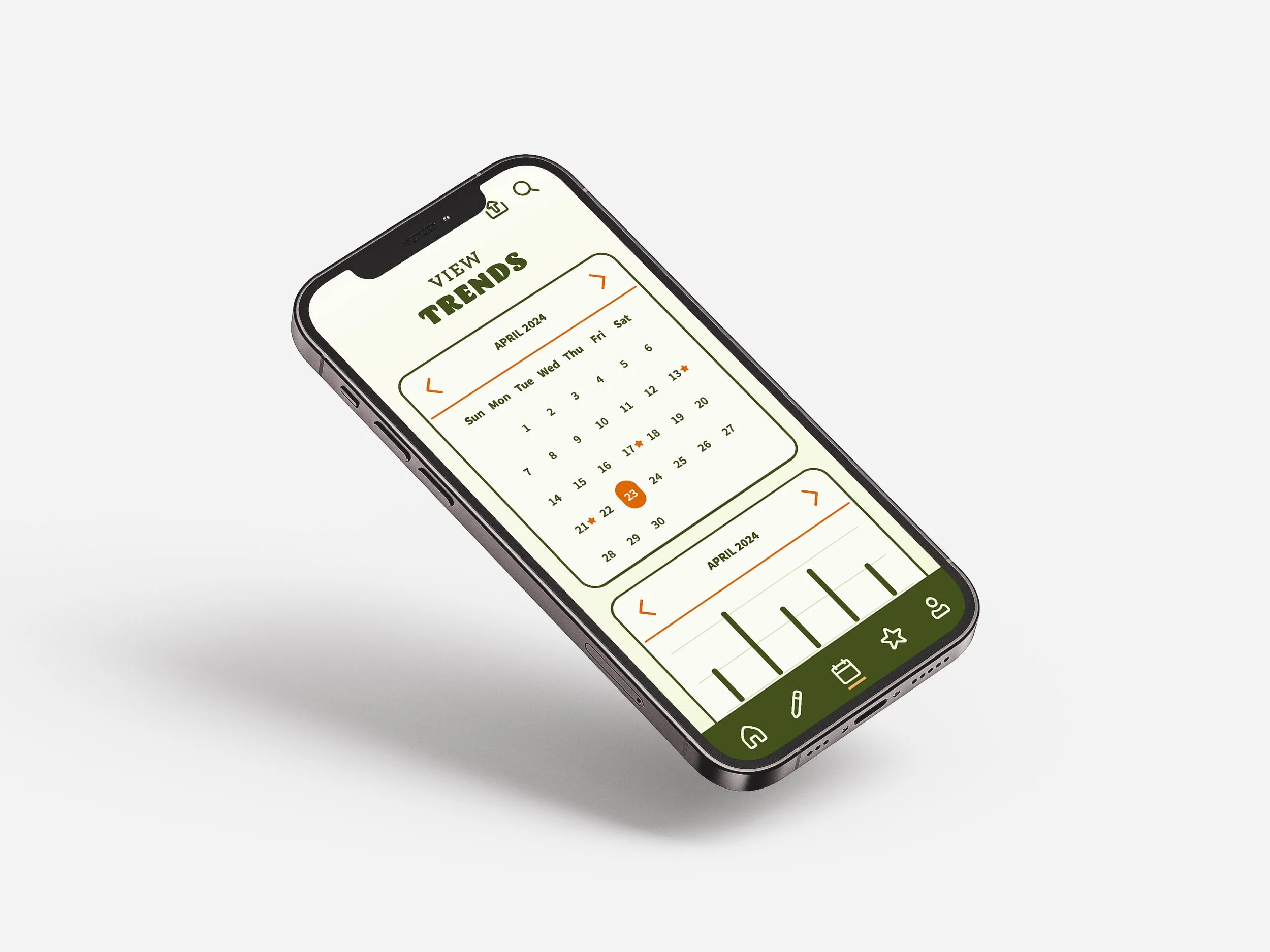
Prototyping and user testing phases iteratively refined the app's design, resulting in a user-friendly interface that simplifies tracking developmental milestones and behavioral patterns. User feedback highlighted preferences for intuitive navigation, clear terminology, and visually appealing design elements.
By addressing these insights, the app aims to facilitate proactive communication between parents and professionals, ultimately promoting the holistic well-being of young children during their crucial developmental years.